
Your beach sunglasses might look great. But they won't save you come wintertime.
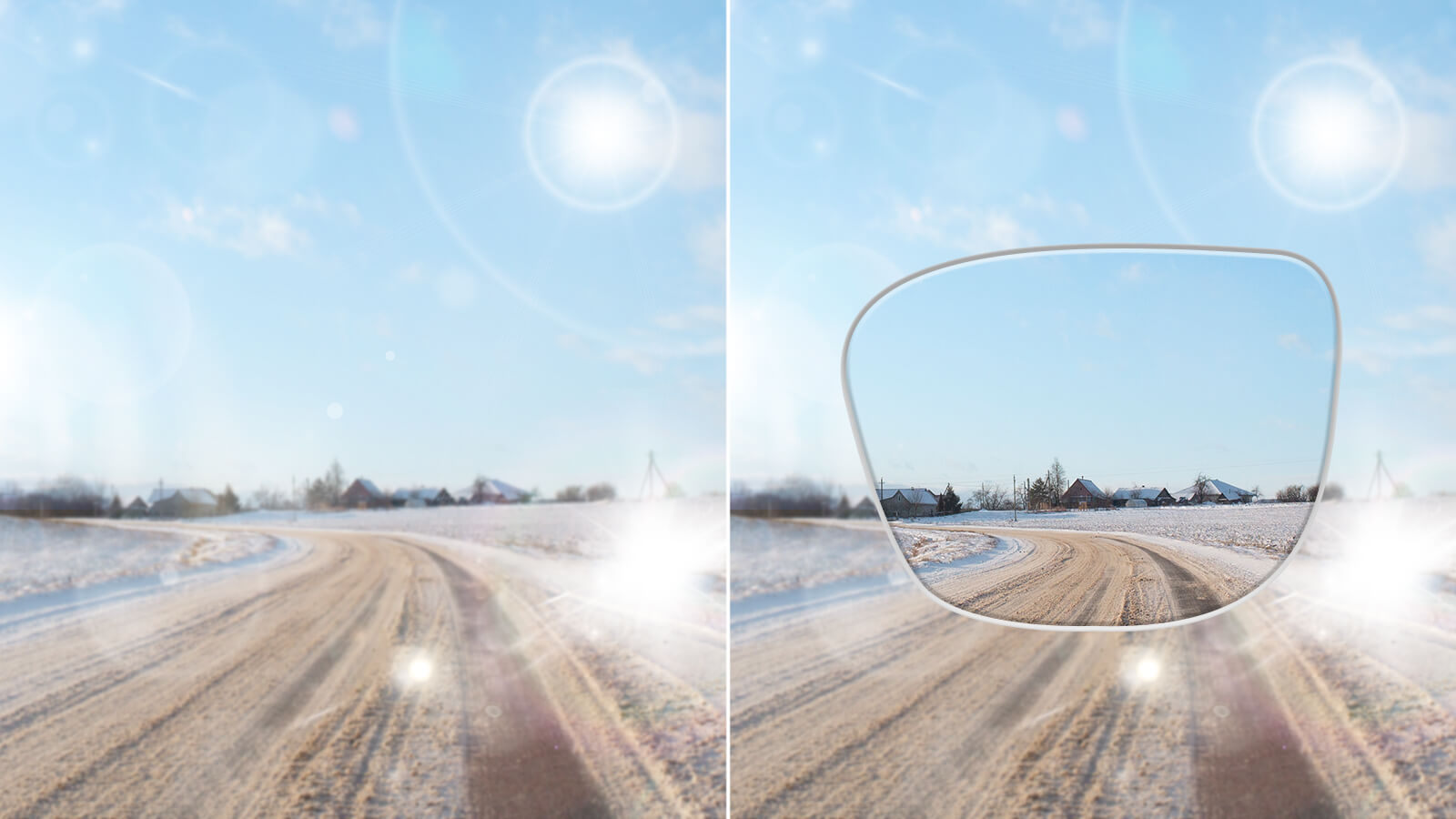
Winter demands different lens technology. The glare is worse. The UV exposure is higher. And the conditions change by the hour.
Here's how to choose polarized sunglasses features that actually work during the frigid months ahead.
Your Beach Sunglasses Won't Cut It on Snow
There's a difference between polarized and winter polarized.
Your generic, polarized lens can block glare from water, and that's fine for the beach. However, winter is a totally different beast since snow reflects up to 80% of the sun's rays, and ice creates a mirror-like surface that's blinding. Plus, the low winter sun is perfect for hitting you right in the eyes all day long.
Your summer shades simply won't cut it. This means you're shopping for performance while out in white terrain. Contrast, clarity, and protection are what you need, and let's face it, your beach gear isn't good enough.
You May Also Like:
Why You Need Polarized Sunglasses Built for Winter >
Winter Driving: Where Glare Can Become Dangerous
A typical scenario is on your way to work, a fresh blanket of snow, sun just hitting about the horizon line. You can't see two feet ahead of you; snow and sun combine to create near-whiteout conditions. Wet ice just makes things worse.
This is where the best polarized sunglasses for winter driving become essential. They cut through glare so you can actually see what's ahead. Better visibility means faster reaction times. And that can prevent accidents.
Must-Have Features for Winter Polarized Sunglasses
UV Protection (MUST HAVE)
UV400 or 100% UV protection, in particular.
High-Quality Lenses
Not all polarized lenses are the same.
Make sure you buy your lenses from a reputable brand or company like Vooglam.
Winter Lens Tints
Different colored tints offer more than just style.
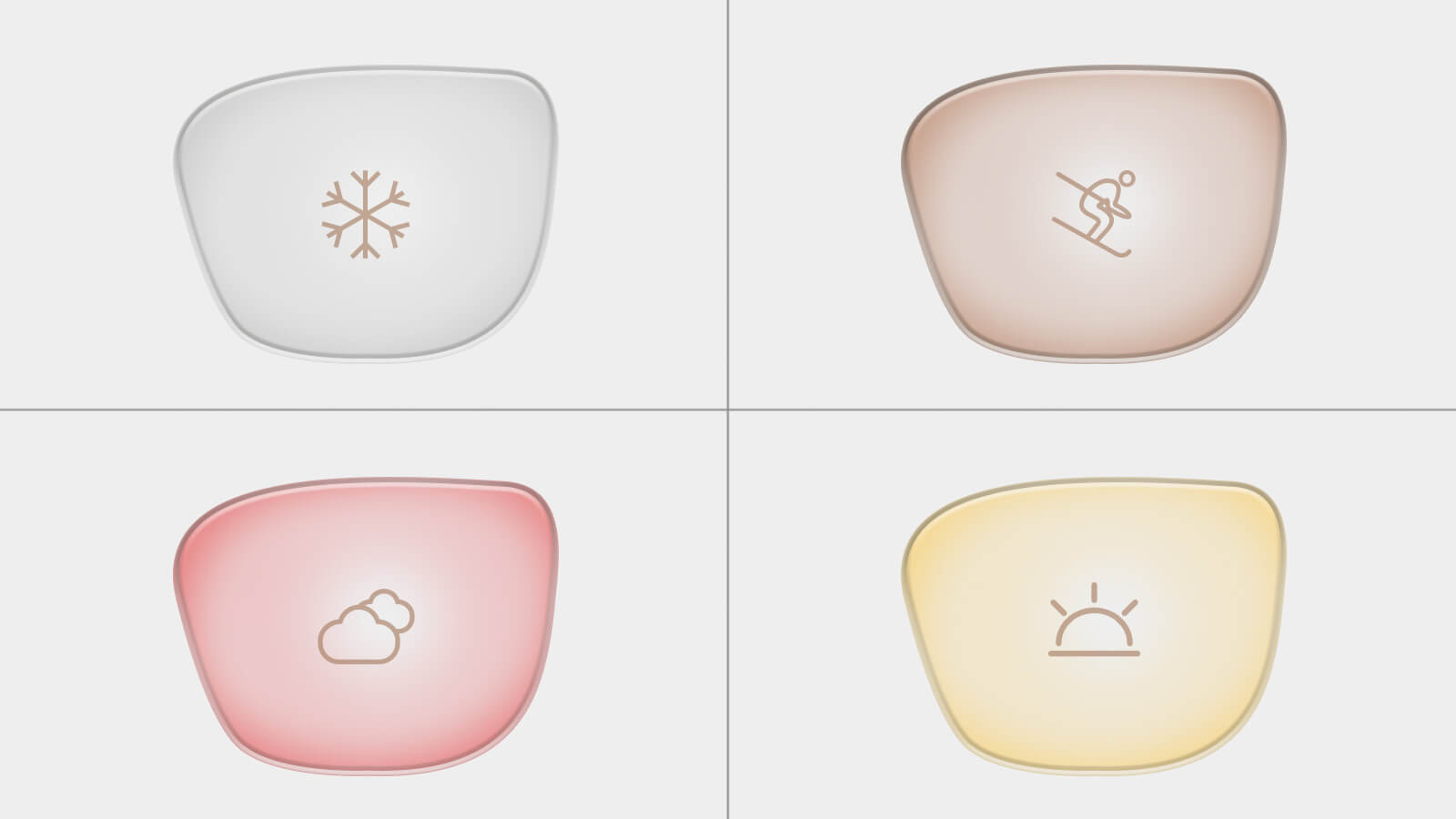
Gray gives you true color back. It's the all-around winter lens color.
Brown or amber improves contrast. It's a perennial favorite for outdoor sports.
Red works best in flat light and overcast days.
Yellow performs in low light, dawn, dusk, or heavy cloud cover, whatever situation you'll get into.
Frame Design for Plunging Temperatures
When it's cold out, you cannot afford to be stranded without being able to see clearly. Make sure you have full-coverage or wraparound frames, which will help block wind and glare.
Make sure to get durable plastic as well, as lower-quality plastic will crack or become brittle.
Find The Right Winter Polarized Sunglasses for You >>
Match Your Lenses to Your Lifestyle or Activity
For daily driving, go with a Gray or brown tin.
Full UV protection plus anti-glare coating round out a great pair you can use for anything, but especially for driving.
If you're into skiing & snowboarding, go with an amber or rose tint, and remember to grab a pair with a wraparound fit as well!
For hiking, we recommend brown or gray tints. Make sure to find frames that are lightweight, secure, and sweat-resistant.
If you need something for everyday wear, go with gray for style plus function Pick your favorite daily frames from Vooglam and add polarized lenses at checkout
Winter Lens Care & Maintenance
Anti-fog is a nice bonus if you can get it. Fog will leave you as blind as glare does, and this basic treatment stops fog from forming.
Keep your lenses wiped down and clear; ice and snow can be rough on them if you're not careful. We also recommend using a microfiber cloth as hard fabrics like cotton or your shirt can damage your glasses.
Store your frames with care. Cold conditions can destroy your glasses if you don't take care. Always keep a protective case on hand.
Winter Lenses Are Pretty!
These days, polarized lenses are available for almost any frame shape or style. Gone are the days when your options were limited. Due to advances in technology, your favorite frames are available to you on the ski slopes or at the chalet, no matter how daring or stylish they are. This is the new standard for any winter sunglasses buying guide: providing excellent functionality without compromising on looks.
Get Your Lenses Before Peak Season Hits
First snow means first need for winter lenses.
November is smarter than December. You'll avoid the holiday rush. Inventory is better. And you'll be ready when the glare hits.
Investing now means glare-free vision all season long.
Your eyes deserve better than squinting through winter.